A Plant-Sale Fundraiser for the Garden Club
How a school club runs a plant-sale fundraiser: choosing between a local nursery and mail-order stock, timing to frost dates, pricing and leftovers.
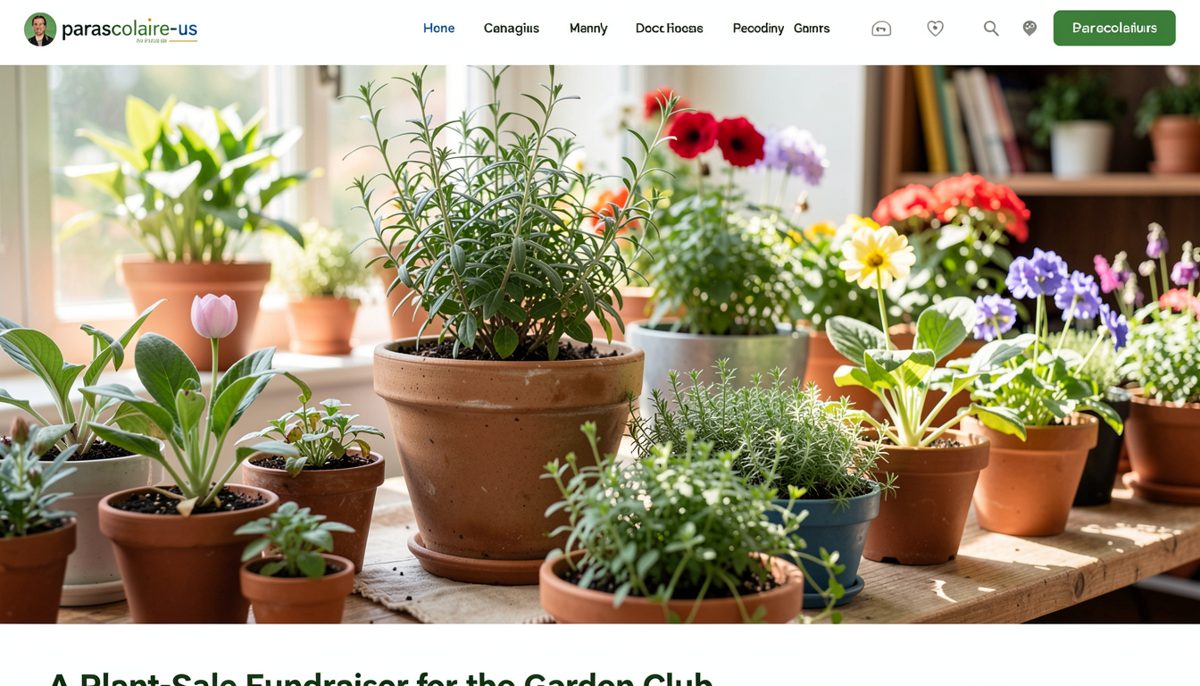
A plant sale is the rare fundraiser where the product improves while it waits to be sold. Run by a garden club or a parent group, it turns one ordering decision, one delivery window and one Saturday into money for a school activity.
Why plants beat most other fundraising stock
Plants sell themselves to a school community in a way candy and wrapping paper do not. Families buy them for their own yards, alumni buy them out of loyalty, and the product has a reason to exist beyond the fundraiser. The catch is the same as the appeal: the stock is alive, so the calendar runs the sale, not the committee.
That aliveness is also the margin. A tray of unsold annuals is not inventory for next year, so the committee orders against realistic numbers, not hopeful ones. A club that sold four hundred plants last spring orders four hundred this spring, not six hundred because this year's goal is bigger.
How does the club choose a supplier?
The choice is between a local nursery that delivers and a mail-order specialist that ships. Local costs more per plant but arrives acclimated and returnable; mail-order costs less and offers varieties a local nursery does not carry, but it arrives on the shipper's schedule and must be held until sale day. The Nursery Ledger, a guide to specialty plant nurseries and mail-order buying in the United States, explains how to read mail-order plant nurseries: which ones grow their own stock, how to read a catalog, and how bare-root shipments are received.
For a first sale, a local nursery is usually the right answer, because the committee's real risk is logistics, not variety. Once the club has run two sales and knows its numbers, the mail-order catalog becomes interesting.
What does the timing look like?
Work backward from the last frost, not forward from today. The sale wants to land in the weeks when families are ready to plant, which means the order goes in during late winter. The Old Farmer's Almanac publishes frost dates and planting calendars at almanac.com, which gives the committee the local window to aim the delivery at.
Build in a holding plan for the gap between delivery and sale. Plants that sit in a school courtyard for ten days need water, shade decisions and someone checking them daily. Assign that person by name, because a tray of seedlings does not survive a committee.
How are leftovers and prices handled?
Decide both before the sale opens. A markdown hour at the end clears stock better than a second weekend, and a donation option for the last trays turns a write-off into a goodwill line in the report. Price at round numbers, because a volunteer making change at a folding table has enough to do.
The clubs page covers the dues-and-fundraising mechanics a garden club runs on, and the alumni work day is where the sale's profits often end up: as the mulch and shrub budget for the next grounds project. The two events feed each other, which is exactly how a school activity becomes a tradition.
What does a first sale need to start?
One supplier, one date, one crew, and a written count of what sold. The count is what turns a first sale from an experiment into a repeatable event, because next year's committee orders from it instead of guessing.